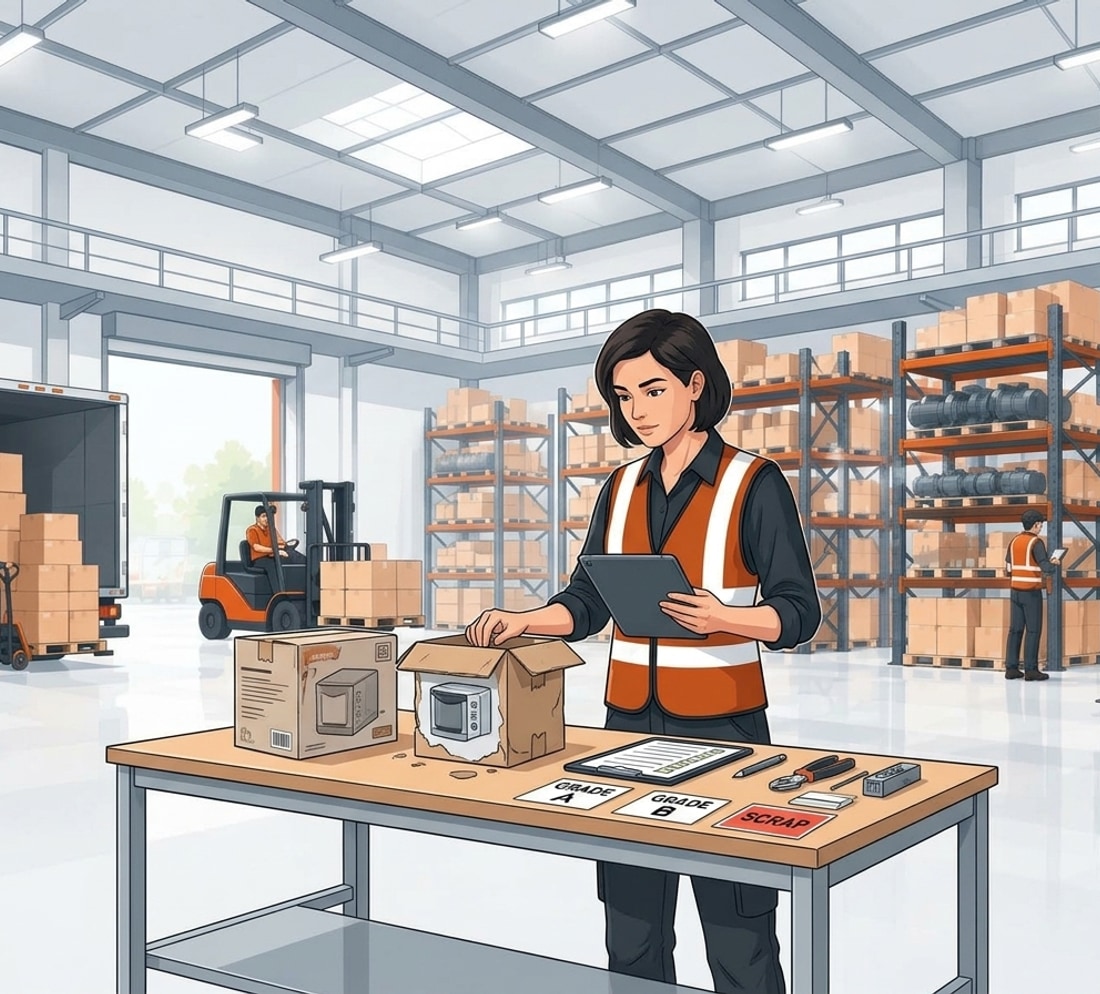


Lot building is where liquidation margin is created or destroyed. Take a raw mixed pallet of retail customer returns, list everything as individual $5 items, and your warehouse will drown in listing labor, photography touches, and shelf footprint. Throw the whole uninspected skid onto an auction block as a single mystery lot, and professional buyers will discount their bids by 70% to account for unknown scrap risk.
The art and science of profitable lotting lies right in the middle: configuring items into bundles that maximize buyer competition while minimizing the cost to process each lot.
Here is the operational framework top liquidation warehouses use to construct winning auction lots.
1. The Hero and Rider Strategy
The most dependable formula for moving mixed returns is the Hero and Rider bundle. In this model, each lot is anchored by one recognizable, high-appeal product (the “hero”) alongside several complementary or lower-demand items (the “riders”).
- The Hero: A tested Grade-A or Grade-B appliance, popular power tool, or name-brand consumer audio unit.
- The Riders: Related accessories, open-box consumables, or lower-value utility items that share a common theme.
Bidders aggressively pursue the lot for the anchor unit, while the riders inflate the total perceived value and clear warehouse shelf space without requiring separate listings, individual photography passes, or individual shelf locations.
2. Match Lot Size to Buyer Vehicle Profiles
One of the costliest operational mistakes is building lots that bidders love online but cannot physically transport on pickup day.
Always classify lots by required transport profile:
| Lot Classification | Target Buyer | Typical Transport Requirement |
|---|---|---|
| Small Parcel / Totes | Casual consumers, eBay flippers | Passenger car or SUV trunk |
| Multi-Box Bundles | Serious resellers, flea market vendors | Pickup truck or cargo van |
| Pallet & Skid Lots | Regional liquidators, exporters | Flatbed trailer, box truck, dock height |
When you place two oversized lawnmowers and five furniture cartons into a single lot, you eliminate 80% of your retail bidder base. Keep residential lots transportable in consumer SUVs, and reserve full-skid lots for commercial operators with liftgate or dock capability.
3. Standardize Thematic Bundles
Avoid “junk drawer” lots. A box containing a curling iron, an automotive oil filter, and a child’s toy screams scrap to serious buyers. Instead, group secondary items into intuitive thematic categories:
- Home Improvement: Tool attachments, hardware assortments, light fixtures, plumbing fittings.
- Electronics & Tech: Cables, chargers, Bluetooth peripherals, laptop sleeves.
- Apparel & Softlines: Consistent size ranges or single-brand garment bundles.
Thematic coherence attracts specialized re-sellers who know how to extract value from that specific niche and will bid correspondingly higher.
4. Physical Staging Must Mirror Catalog Numbering
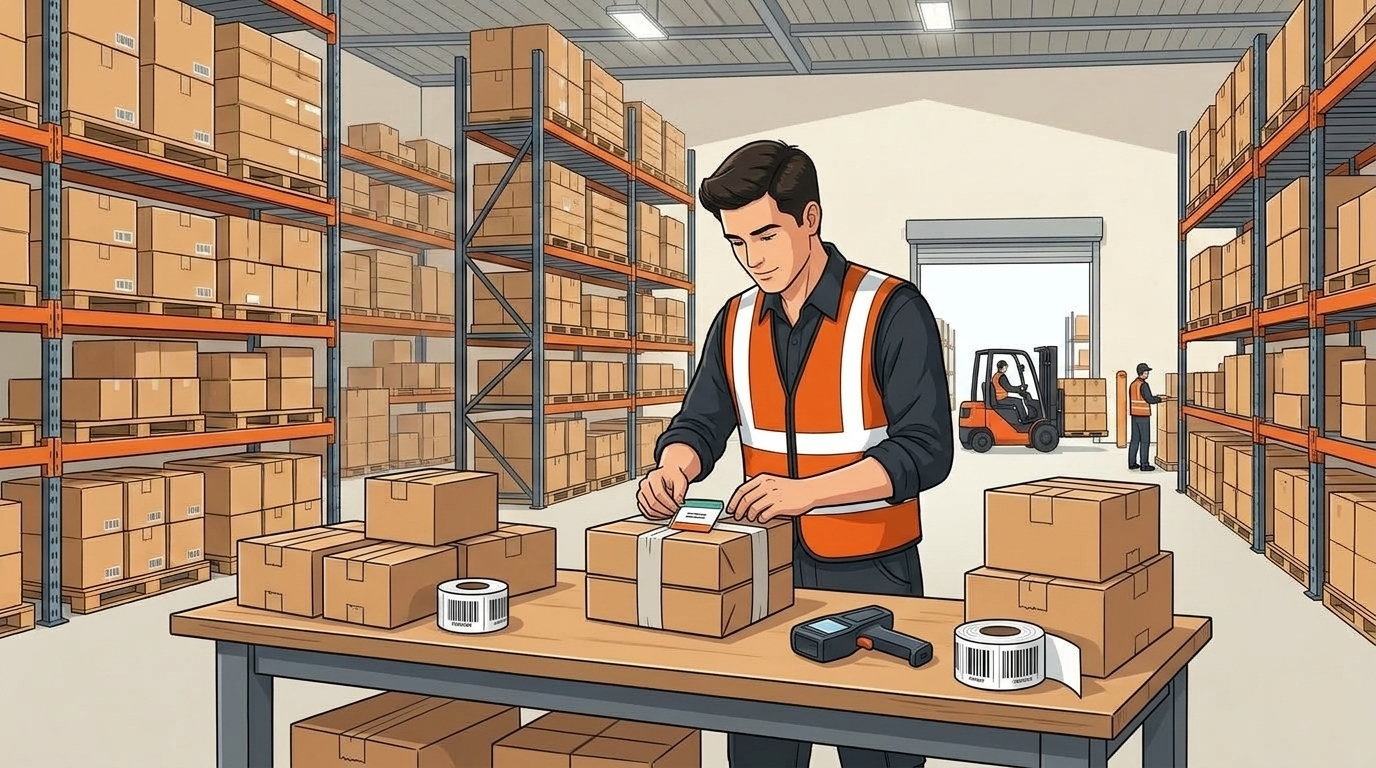
Your warehouse lotting table should connect directly to your auction management software. As lot numbers are generated in the system:
- Tag Immediately: Apply high-visibility adhesive tags or QR placards displaying the Lot Number, Unit Count, and Final Bin Location.
- Cluster by Lot Range: Keep Lots 100–199 in Bay A, Lots 200–299 in Bay B.
- No Splitting: Never split a single lot across two distinct physical racks or pallets without clear “Box 1 of 2” cross-referencing.
When pickup day arrives, your fulfillment crew should be able to retrieve an entire winning invoice by following a sequential walking path across the staging floor.
Asked questions
Frequently asked questions
Key operational insights regarding this topic.
For general consumer goods, lots structured between $100 and $400 estimated retail value tend to generate the highest bidder participation and percentage recovery.
Bundle salvage items into themed 'parts or repair' lots by product category (e.g. power tools, small kitchen appliances) rather than mixing unrelated broken items together.
Provide a minimum of 4 to 6 photos: one overview of the entire lot, close-ups of any brand labels or model tags, and clear documentation of visible defects.