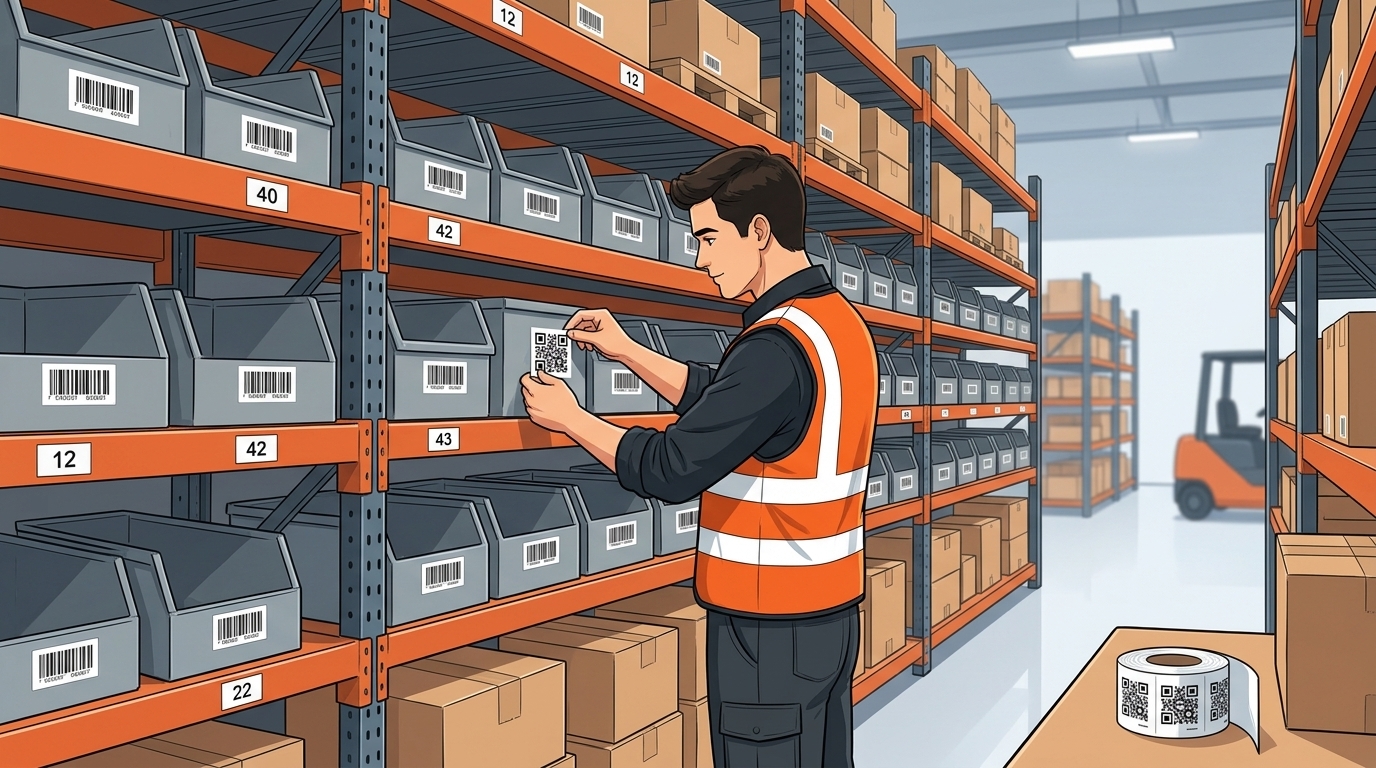



Most warehouse management systems (WMS) were engineered for a predictable, orderly world. In standard retail distribution, a manufacturer sends 5,000 units of a single SKU, packed in clean master cartons, each adorned with crisp GS1 barcodes. The software logs the quantity, assigns a static rack location, and waits for predictable pick-pack-ship orders.
Liquidation warehousing is the exact inverse.
A liquidation facility receives 40 mixed pallets containing 3,200 completely different products, half of which are missing original boxes or UPC codes. Every single item must be inspected, graded, photographed, bundled into auction lots, published across bidding platforms, and handed off across a physical loading bay to hundreds of local buyers within 7 to 10 days.
Trying to run this chaos on a traditional WMS is like trying to race a commuter sedan through an off-road rally course.
Here is what auction warehouse operators must look for when selecting purpose-built liquidation software.
1. Automated Manifest Ingestion and Discrepancy Matching
Your software must not require manual entry of item titles, model numbers, and retail prices:
- Universal CSV / Excel Parser: The system should ingest messy manifests from Amazon, Target, Walmart, Home Depot, or independent liquidators without requiring rigid column reformatting.
- Blind Dock Audit: Dock workers should be able to scan incoming barcodes with handheld scanners and have the system automatically locate and cross off matching rows from the active manifest.
- Shortage & Damage Logging: Instant calculation of missing items and condition downgrades, generating automated dispute packages for vendor credit requests.
2. High-Speed Grading and Dynamic Lot Creation
In liquidation, time spent cataloging is margin lost:
- Mobile First: Operators should be able to inspect, grade, assign a lot number, and attach photos using a single handheld device or tablet directly at the staging table.
- Pre-Configured Grading Criteria: Standardized condition grades (Brand New, Open Box, Tested Working, Parts/Repair) with mandatory condition checklist prompts to maintain catalog consistency.
- Dynamic Lot Grouping: The ability to combine multiple disparate items into a single auction lot with one touch, automatically generating a master lot barcode label for the bin.
3. Direct Auction Engine & Multi-Platform Sync
Re-typing lot descriptions and uploading photos manually into external auction platforms is an intolerable operational bottleneck:
- Native Syndication: Direct API or structured export compatibility with major liquidation auction platforms including HiBid, AuctionWorx, Equip-Bid, and Shopify.
- Real-Time Bid Status & Invoice Ingestion: Automated pull of winning invoices and bidder payment confirmations back into the warehouse dispatch queue the second the auction closes.
4. End-to-End Buyer Pickup & Loadout Management
The auction does not end when the bidding clock expires; it ends when the merchandise safely leaves your dock:
- Self-Service Appointment Booking: Automated SMS and email links allowing winning bidders to reserve 15-minute loadout bays.
- Bay Queuing Dashboard: Real-time dock monitor showing arrived vehicles, assigned bays, and active fulfillment tickets.
- Verification Scan & Digital Signature: Mobile barcode scan of each departing lot tag alongside buyer digital signature capture, creating an airtight audit trail that protects against chargebacks and missing-item claims.
Asked questions
Frequently asked questions
Key operational insights regarding this topic.
Traditional ERP/WMS platforms assume repeatable SKUs with vendor catalogs; using them for liquidation results in massive manual overhead creating thousands of one-off SKUs that expire within days.
Automated manifest ingestion and rapid dockside receiving reconciliation, which turns raw vendor spreadsheets into graded, scannable units in minutes.
The platform should automatically link paid bidder invoices to appointment booking slots, queue displays, and mobile bay verification scanning.